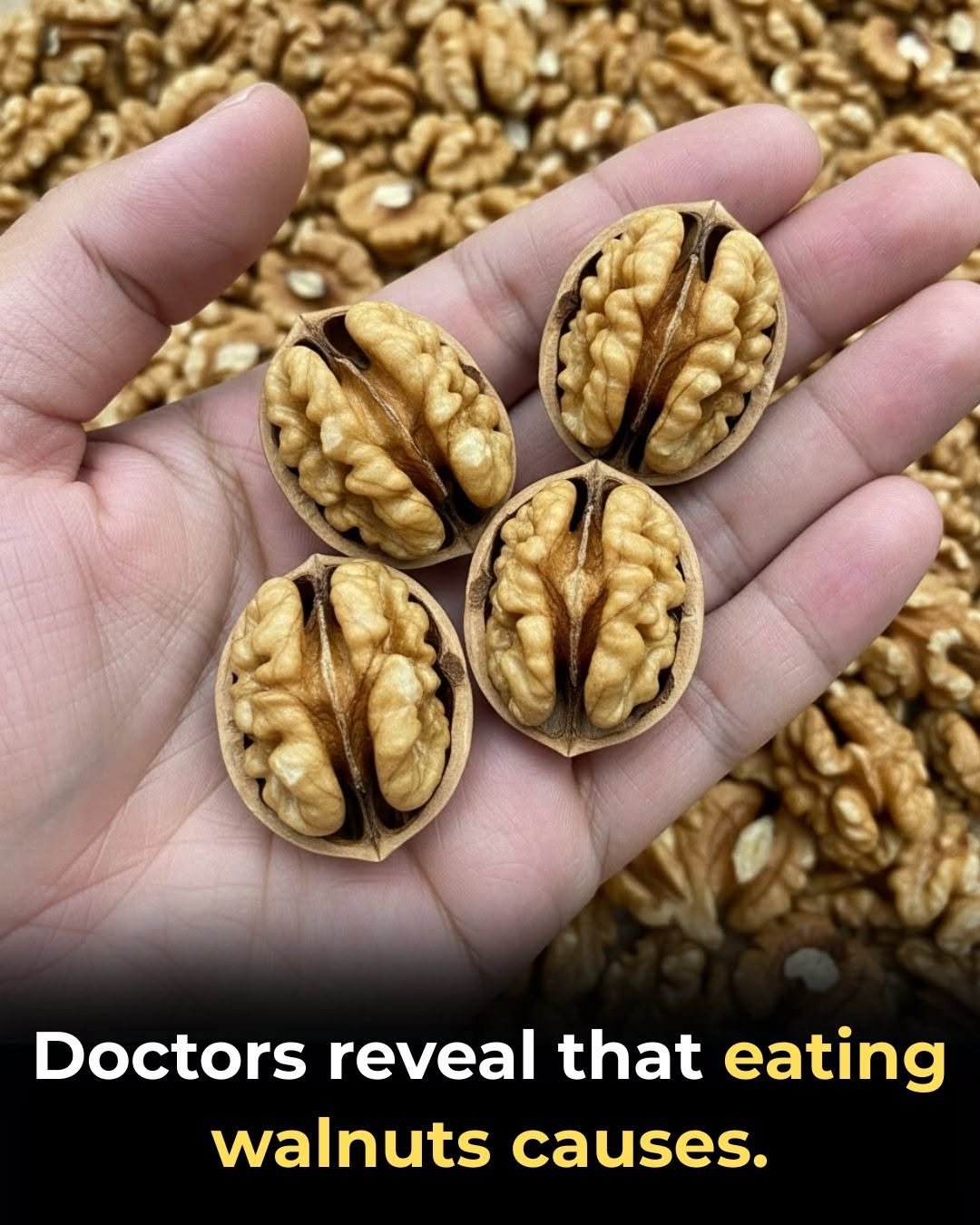
Walnuts are a nutritional powerhouse—a true superfood that’s easy to add to your daily diet. These crunchy, earthy-tasting nuts are packed with antioxidants, essential fatty acids, and a rich blend of vitamins and minerals.
Regularly eating just a handful of walnuts can have a profound impact on your overall health, from improving brain function to protecting your heart.
A growing body of scientific research supports the many benefits of walnuts. Studies show that consuming them can lower “bad” LDL cholesterol, decrease blood pressure, and reduce oxidative stress and inflammation throughout the body. In fact, some of these positive effects can be measured just hours after eating them.
Let’s delve into why these nuts are so good for you and how you can best incorporate them into your life.
🌰 What Are Walnuts?
Walnuts are the edible seeds of trees belonging to the Juglans genus, most commonly:
- Persian/English walnut (Juglans regia) – Most widely consumed
- Black walnut (Juglans nigra) – Stronger flavor, harder to crack
They grow inside a hard shell that must be cracked to reveal the distinctively shaped, wrinkly lobes within. A thin, brown skin covers the edible kernel—and this skin is a crucial part of the nut’s nutritional value.
Storage Tips for Freshness
|
Form
|
Storage Method
|
Shelf Life
|
|---|---|---|
|
Shelled walnuts
|
Airtight container in refrigerator
|
Up to 6 months
|
|
Shelled walnuts
|
Freezer (airtight bag)
|
Up to 1 year
|
|
Unshelled walnuts
|
Cool, dry, dark place
|
Up to 6 months
|
💡 Why storage matters: Walnuts have high oil content, making them prone to rancidity. Proper storage preserves their nutrients and flavor.
📊 Nutritional Profile: What’s in a Serving?
For Complete Cooking STEPS Please Head On Over To Next Page Or Open button (>)